
Timber Casement Window Replacement for Period Homes: What Needs to Match the Original?

Timber casement window replacement can improve comfort, reduce draughts and refresh a tired exterior, but in a period home the new windows still need to look as though they have always belonged there. If the proportions, mouldings or opening style are wrong, even well-made replacements can jar with the age and character of the property.
At Copycats, we create bespoke timber window replacements for older homes, with careful attention to original design and moulding details. That matters whether you are replacing one badly decayed casement or planning a full set of new timber windows across the property.
So what exactly needs to match the original? The short answer is this: more than most homeowners expect. A successful replacement is not just about choosing timber instead of uPVC. It is about recreating the visual language of the existing window while improving everyday performance where appropriate.
Why matching the original matters in period homes
Older properties have a rhythm to them. Window openings, glazing patterns, frame depths and moulding details all work together to create the look of the house. Change one element too much and the whole elevation can feel slightly off.
That is why thoughtful timber casement window replacement matters. The aim is not simply to fill an opening with a new unit. It is to preserve the character of the property while dealing with issues such as rot, draughts, sticking casements or poor thermal performance.
It protects the appearance of the home. Good replacements respect the style of the building rather than competing with it.
It helps maintain period character. Small details such as glazing bar width or frame proportion make a big difference.
It supports heritage-sensitive work. In older and more sensitive buildings, faithful detailing is often especially important.
It gives you modern comfort more discreetly. Better seals, improved fit and, where suitable, modern glazing can be introduced without losing the traditional look.
What needs to match in timber casement window replacement?
Opening style and window arrangement
Start with the way the original window works. Is it side-hung, top-hung or a combination? Does it have one light, two lights or a more complex arrangement with fixed sections? Are the openings symmetrical, or is there an offset pattern that suits the age of the house?
If the replacement changes the opening method or the layout of the lights, the property can lose part of its original character. The best result usually comes from matching the existing arrangement as closely as possible.
Overall proportions and sightlines
One of the most common problems with poorly chosen replacements is bulk. Frames become too heavy, opening lights too chunky, and the amount of visible glass changes. That may sound minor, but on a period elevation it is often what makes a new window look obviously new.
In practice, this means paying close attention to the width of stiles and rails, the depth of the frame, the visible lines around the casement and the relationship between timber and glass. Period homes usually suit balanced, refined proportions rather than overly thick sections.
Moulding details and glazing bars
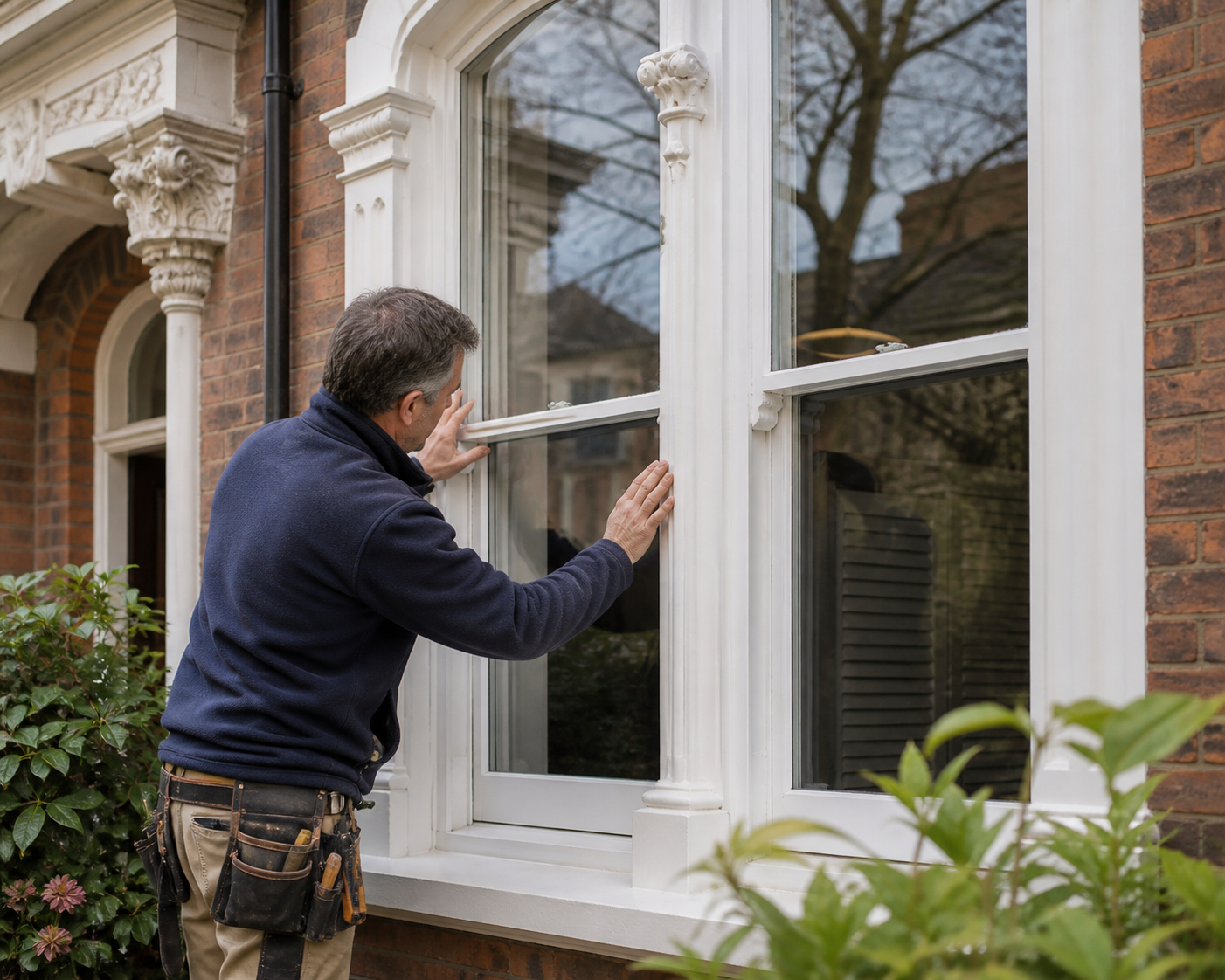
Mouldings are a major part of traditional joinery. They create shadow lines, give definition to the frame and help a replacement sit naturally beside original features elsewhere on the property.
When we make period-style replacements, copying original design and moulding details is a key part of the job. That includes the shape of the mouldings, the treatment around the glass and the dimensions of any glazing bars. Bars that are too thick, too flat or too widely spaced can change the whole appearance of the window.
Timber character and finish
The material itself also matters. Timber suits period properties because it can be shaped, detailed and finished in a way that is true to traditional joinery. The finished appearance should complement the age of the building, whether that means a painted finish with crisp detailing or a look that works with surrounding timber features.
A good replacement should not feel generic. It should feel purpose-made for the house.
Glass specification without losing character
Homeowners understandably want better thermal performance than many older windows provide. In some cases, discreet modern double glazing can be incorporated. In others, the right answer depends on the existing design, the thickness of sections and whether the property has heritage-related constraints.
The important point is that glass choice should support the appearance of the window, not dominate it. If a glazing specification forces bars or sections to become too bulky, the visual result may no longer suit the property.
Ironmongery and visible hardware
Handles, stays, hinges and fasteners are easy to overlook, but they are part of the overall impression. Modern hardware in the wrong style can undermine otherwise careful joinery.
For period homes, the finish, shape and placement of ironmongery should feel appropriate to the age and style of the window. It is another example of how small details influence the final result.
Cills, weathering and frame details
A replacement is not just about the opening casement. The cill, drip details, junctions and frame construction all affect durability and appearance. If these details are handled badly, water management suffers and the window can look out of place.
Well-made timber casement windows should deal properly with weather exposure while keeping the external look in harmony with the original joinery.
When is full replacement the right choice?
Not every old timber window has to be replaced. In some homes, repair or restoration remains the better route. In others, the condition of the window means replacement is more sensible in the long term.
Common signs that full replacement may be the right choice include:
Advanced rot in key structural areas
Loose or failing joints
Warping that prevents reliable closing
Repeated water ingress problems
Past repairs that have altered the original detail beyond a tidy repair
Poor overall performance combined with significant deterioration
At Copycats, our work also includes restoration and wood restoration, so the conversation does not have to begin with a one-size-fits-all answer. The right decision depends on the condition of the existing window, the character of the property and your long-term priorities.
Common mistakes to avoid with period casement replacements
Choosing standard units for a non-standard house
Period homes rarely suit off-the-shelf thinking. Openings can vary, original details may be unusual and subtle inconsistencies often form part of the building's charm. Bespoke joinery is usually the safer route when appearance matters.
Focusing only on glass and ignoring joinery detail
Many homeowners begin by asking for double glazing, but performance is only part of the picture. If the joinery detail is wrong, the window may feel out of place even if it performs better than the original.
Changing the visible proportions
Making glazing bars heavier, altering the pane layout or thickening the outer frame can change the face of the house. Good timber casement window replacement should look considered from the pavement as well as from inside the room.
Forgetting the wider setting
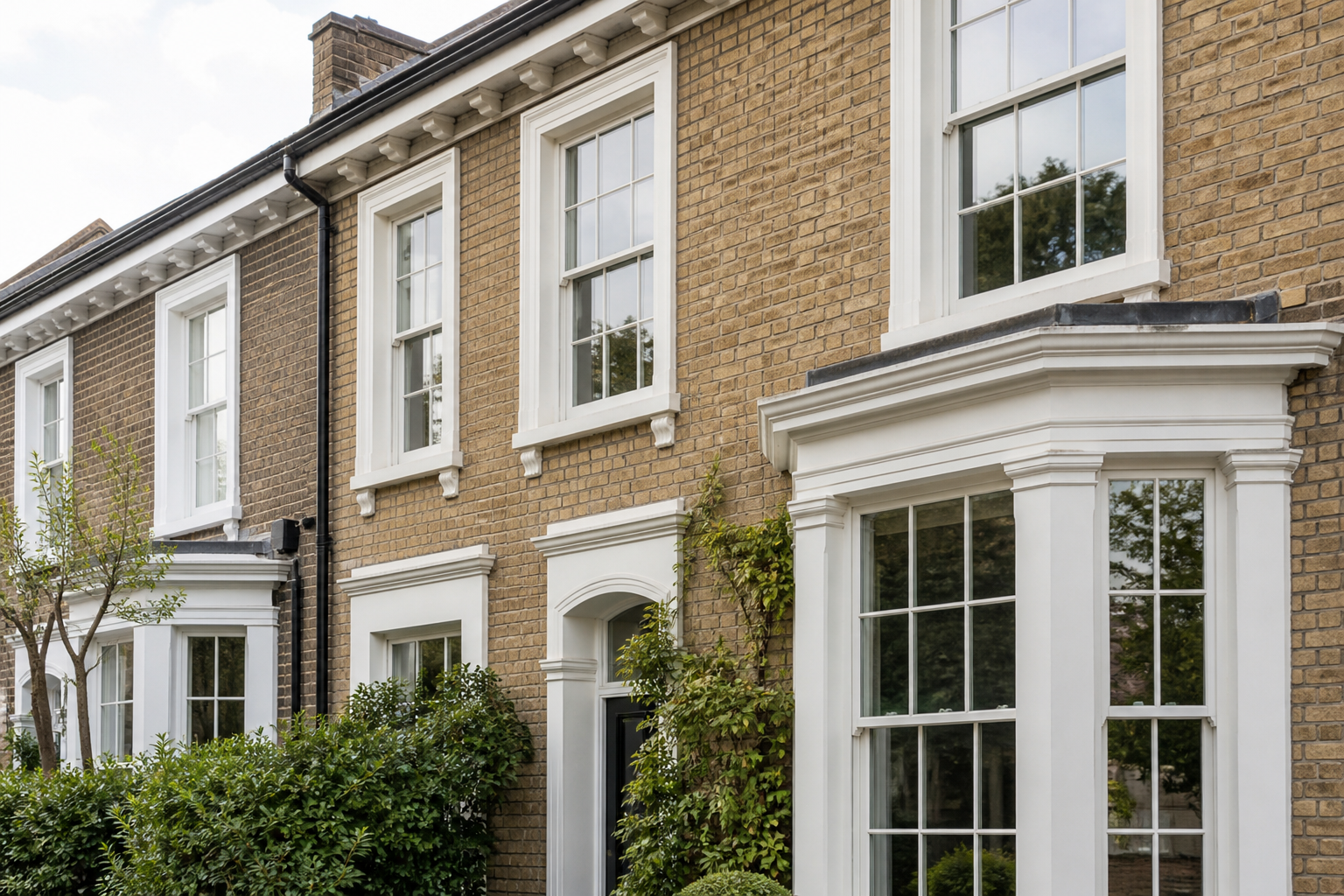
Windows do not exist in isolation. The relationship with brickwork, render, stone surrounds, porches and other original joinery should all be taken into account. This is especially important on front elevations.
Not checking constraints early enough
If your home is listed or in a conservation area, the level of scrutiny may be higher. Even where formal consent is not needed, matching the original closely is still wise. It is far better to think about these points before manufacture begins.
How we approach bespoke timber casement window replacement
We have more than 30 years of experience in traditional joinery and work on all types of properties, from cottages to larger period homes. Our portfolio includes period casement windows, wooden windows, doors and other heritage-sensitive joinery.
When we produce replacement windows, our approach is shaped by the building rather than by a standard product range.
We start with the property. We look at what is there now, what should be retained visually and what is causing the problem.
We capture the original detail. That includes the design, mouldings, proportions and opening arrangement that give the window its character.
We manufacture to suit the home. Our traditional wooden windows and bespoke joinery are made with period appearance in mind, not forced into generic sections.
We consider practical upgrades carefully. Where appropriate, modern draught proofing and glazing solutions can be incorporated more discreetly to improve comfort and reduce noise.
We keep heritage sensitivity in view. We have worked on heritage properties, listed buildings and homes in conservation areas, so we understand why faithful detailing matters.
If you are comparing options, you can see more about our work in bespoke joinery and replacement wooden windows on our website.
Do period casement windows always need to be copied exactly?
Not every hidden detail has to be reproduced in the same way, but the visible character should usually remain consistent. In other words, the replacement should look right for the house first and foremost.
That is often where bespoke timber joinery is at its strongest. It allows improvements in fit, finish and day-to-day use while still respecting the design language of the original window.
Why homeowners choose Copycats
Traditional joinery experience. We have been established for over 30 years.
Bespoke design and manufacture. We make joinery to suit the property rather than relying on generic replacements.
Period property understanding. Our work includes replacement of older windows and heritage-sensitive joinery.
Broad joinery expertise. Alongside casement windows, we also work on sash windows, doors, staircases and unusual joinery.
Practical guidance. We offer a free initial consultation and free quotes.
Local base. We are based in Marsh Green, Edenbridge.
Frequently asked questions
What should match when replacing timber casement windows in a period home?
The key elements are the opening style, overall proportions, glazing pattern, mouldings, glazing bar dimensions, cill detail, finish and ironmongery. The closer those visible features are to the original, the more natural the replacement will look.
Can timber casement window replacement include double glazing?
Sometimes, yes. It depends on the design of the window, the thickness of the sections and whether there are heritage constraints. The goal is to improve comfort without making the joinery look too bulky for the property.
Is repair sometimes better than replacement?
Yes. If enough sound original timber remains, repair or restoration may still be worthwhile. If rot, distortion or failed joints are widespread, full replacement can be the more durable and economical long-term solution.
Do I need consent to replace timber casement windows in an older home?
Some properties do require extra care, especially listed buildings and homes in conservation areas. Requirements vary, so it is sensible to check early with the local authority before ordering replacement windows.
How do I get the best visual match?
Choose a joinery specialist who can reproduce original design and moulding details rather than supply a generic unit. In period homes, the small visible details are usually what separate a successful replacement from one that looks out of place.
Get a free quote for bespoke timber casement window replacement
If your existing windows are rotten, draughty or simply no longer right for the age of the house, we can help you replace them without losing the character that makes the property special.
Ask Copycats for a free quote on bespoke timber casement window replacement. You can also call us on 01732 866632 or email sales@copycatsweb.co.uk to arrange your free initial consultation.
Conclusion
The best timber casement window replacement does not shout. It sits comfortably within the architecture of the house, matching the original where it matters and improving everyday performance where it can. For period homes, that balance is what turns a necessary replacement into a result that genuinely looks right.
If you would like careful, heritage-aware advice from a traditional joinery business in Marsh Green, Edenbridge, get in touch with Copycats and we will be happy to help.
Comments